Why Operations & Maintenance Matter More Than Development
Why Operations & Maintenance Matter More Than Development
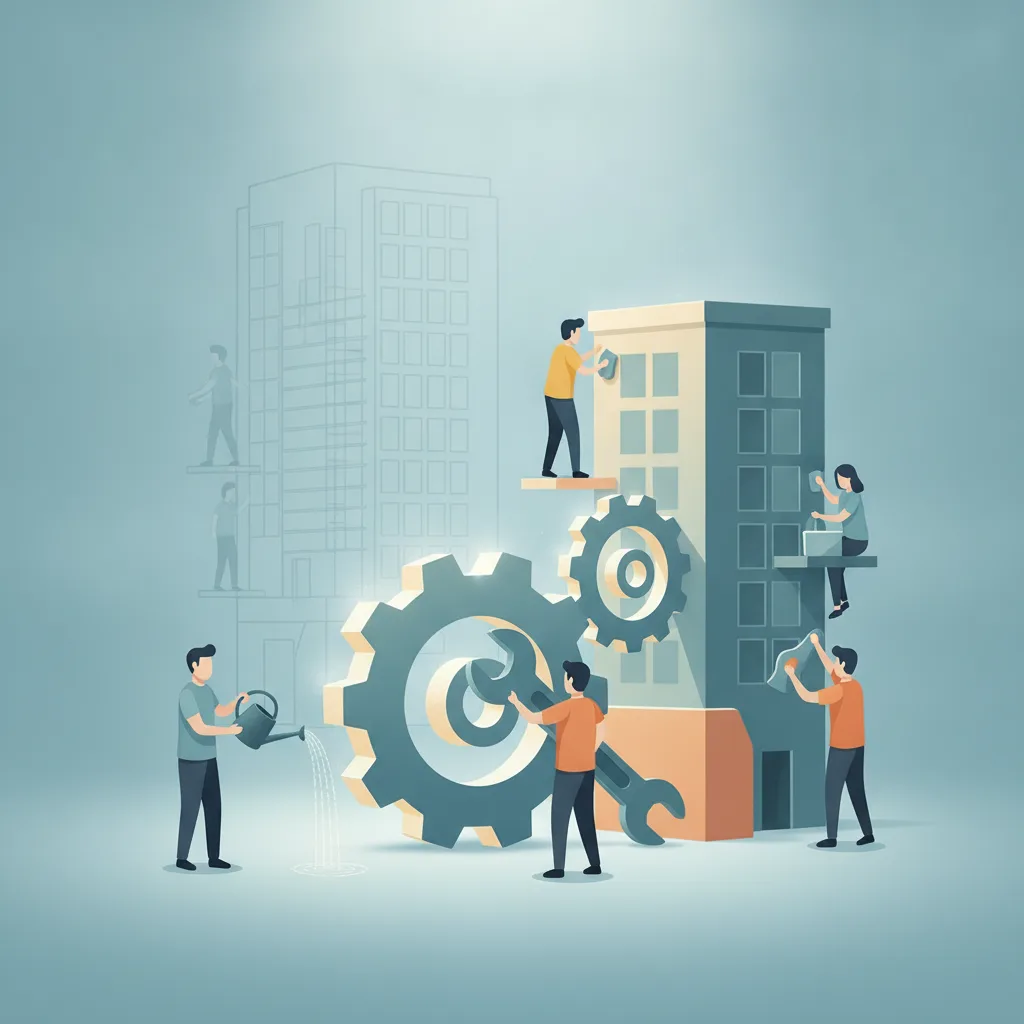
The moment a software project wraps up, most clients breathe a sigh of relief. "Finally, we're done!" But seasoned developers know better: shipping is not the end — it's where the real work begins.
🚀 Launch Day Is the Starting Line
The instant your website or app goes live, your system meets real users in the real world. No matter how carefully a product is built, unexpected issues emerge in production. Users click buttons in ways nobody anticipated, traffic spikes beyond projections, and third-party services go offline without warning.
Think of it like buying a car. Taking delivery isn't the end of the story — from that day forward, regular servicing and occasional repairs are part of ownership. Software is exactly the same. Operations and maintenance aren't optional extras; they're a fundamental part of running any digital product.
🔧 What Actually Happens During Operations?
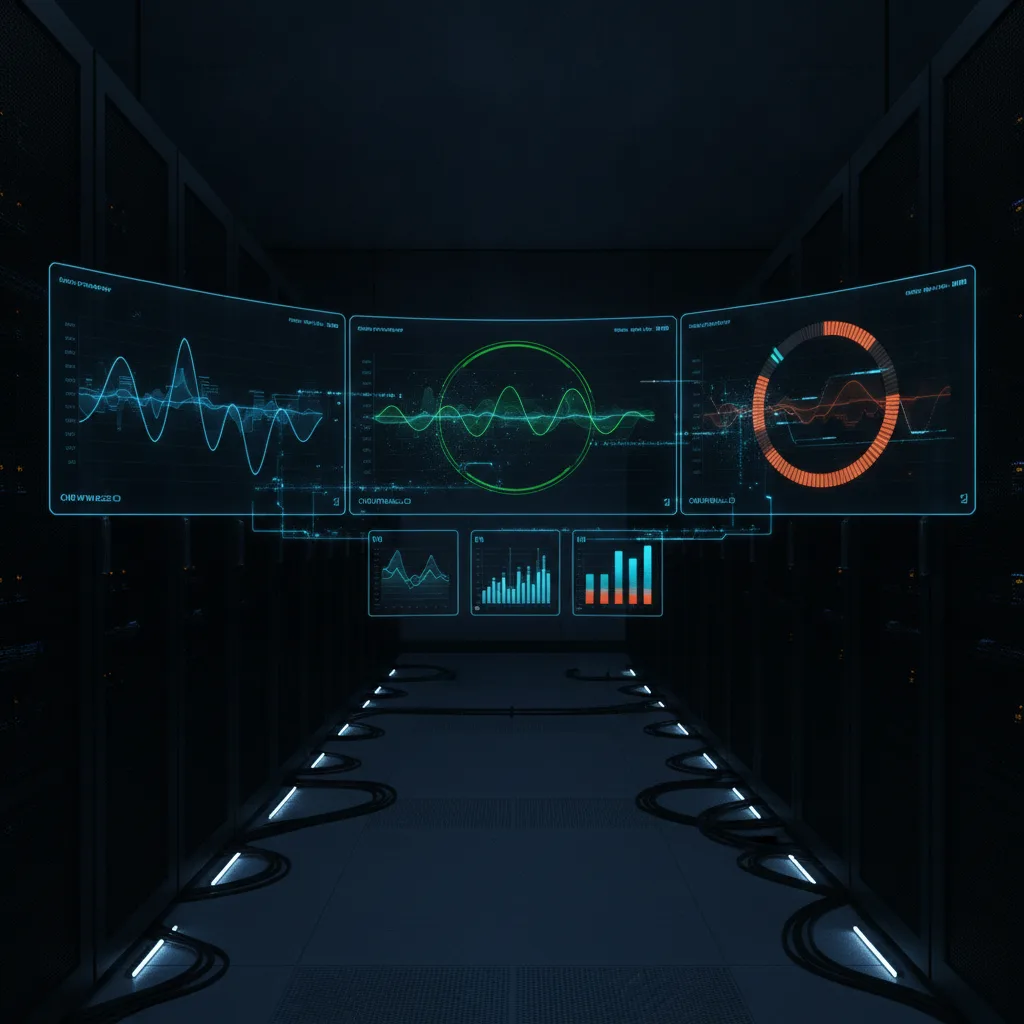
The day-to-day demands of running a live system are far broader than most people expect.
User support: Tickets like "I can't log in" or "I was charged twice" can arrive every single day.
Bug fixes: Issues that slipped through QA surface once real users interact with the system.
Server management: Slow response times or outages require immediate action.
Security updates: When vulnerabilities are discovered in frameworks or libraries you rely on, patches must be applied fast — or your system becomes a target for attackers.
Data backups: When a database failure or human error wipes your data, there's no recovery path without backups.
Feature enhancements: Real-world usage naturally generates new requirements and improvement requests.
Neglect any one of these, and you risk direct damage to customer trust and business revenue.
📋 Ongoing Retainer vs. On-Demand Support — Which Is Right for You?
Not every service requires the same level of maintenance coverage.
A retainer-based maintenance contract makes sense when your platform sees daily user activity, handles payments or personal data, or powers mission-critical business processes. With a contract in place, there's a guaranteed response window and a clear escalation path whenever something goes wrong.
On-demand support can work for lower-risk scenarios — a simple brochure site updated once a quarter, or a lightweight internal tool used by a handful of people. In these cases, requesting help as needed is a perfectly pragmatic approach.
The key is understanding the nature of your service and choosing an operations model that matches its actual risk profile.
⚠️ The Hidden Dangers of Touching a Live System
"Can't you just change that one thing?"
It's one of the most common requests we hear. But every part of a live system is interconnected. A seemingly minor change can trigger a chain reaction that breaks something completely unrelated and entirely unexpected.
That's why professional maintenance teams always validate changes in a staging environment first, plan deployment windows carefully, and have a rollback strategy ready before touching production. Skip those steps, and a well-functioning feature can go dark in an instant. This isn't a theoretical risk — it happens regularly across the industry.
🚨 Why You Need an Incident Response Plan Before You Need It
Your server goes down at 2 a.m. Who do you call? How quickly can that person actually respond?
If you can't answer those questions immediately, you don't have an incident response plan. The trouble is, systems don't schedule their failures around business hours. Outages happen on public holidays, weekends, and in the middle of the night — and they tend to strike at your busiest moment.
Having a clear response procedure and contact chain in place before an incident occurs means you can recover quickly and calmly when one does. That readiness is itself a valuable asset — one that directly strengthens the reliability of your service.

💸 What Happens When You Cut Corners on Maintenance
"We already spent a lot on development — let's keep maintenance costs down."
This reasoning almost always leads to a far more expensive outcome.
An e-commerce store that delayed security patches got hacked and exposed customer data. A startup that skipped backup configuration lost years of order history in a single server failure. A platform that ignored a small payment bug ended up buried in refund disputes. The common thread in every one of these stories: the cost of the crisis dwarfed whatever maintenance would have cost.
Think of maintenance spend not as an expense, but as an insurance premium — one that manages risk and protects everything you've built.
🏗️ Why ExaPeak Designs for Operations from Day One
ExaPeak Soft Solutions builds "how will this system be operated?" into the design process from the very start. Delivering a system that's a nightmare to maintain and then walking away is simply not how we work.
Writing clean, readable code. Maintaining clear documentation. Setting up deployment pipelines and monitoring from the beginning. Every one of these practices exists to reduce operational overhead and enable rapid response when issues arise.
Our goal is for your service to grow stably long after the initial build is complete — and that means thinking end-to-end, from the first line of architecture to ongoing support. That, in our view, is what truly finished software looks like.
The day after the launch party is when the real journey begins. You don't have to walk it alone.