
Essential Security Principles for Systems That Handle Personal Data
Essential Security Principles for Systems That Handle Personal Data
Customer details, member records, payment histories… Run a business long enough and you'll find yourself managing a vast amount of personal data. The real question isn't "Are we storing it properly?" — it's "Are we handling it safely?" No matter how feature-rich a system may be, a gap in personal data protection can become a ticking time bomb for your organization's reputation and trustworthiness.
This article is not legal advice. It's a practical guide to the foundational principles every developer and operator should keep in mind when building or running systems that handle personal data.
1. Collect Only What You Truly Need
The first question you should ask yourself is: "Do we actually need this information?"
Collecting data you don't need creates unnecessary security exposure. After all, data you never collect can never be leaked. Take a hard look at your sign-up forms — is the date of birth field really essential? Is that phone number ever actually used? The best protection is not collecting unnecessary data in the first place.
2. Define Clearly Who Can Access What
If everyone in your organization can access everything, your system is wide open to insider threats. Separating data and functionality by role is a fundamental requirement.
A customer service rep may need to view order history, but not full payment details. Your marketing team might work with aggregated statistics but rarely needs access to individual customer profiles. "The right access, for the right people, to the right extent" — that's the core principle of permission design.
3. Never Store Passwords in Plain Text
Storing passwords as plain text in a database has always been unacceptable — and still is today. Passwords must be stored using one-way encryption (hashing). This way, even if your database is compromised, actual passwords remain unreadable.
For an added layer of security, combine each password with a unique salt value before hashing. This ensures that even identical passwords produce different stored values, making attacks significantly harder to execute.
4. HTTPS Is a Requirement, Not an Option

Unencrypted data traveling between your website and your users can be intercepted by a third party. HTTPS encrypts that communication channel and is an absolute baseline for any modern web service. Applying HTTPS only to the login page while leaving the rest on HTTP is half-hearted protection at best. HTTPS must be applied consistently across your entire service.
5. Protect Admin Accounts With Extra Rigor
Admin accounts are the master keys to your system. A single compromised admin account can put your entire dataset at risk. Always enforce multi-factor authentication (MFA) on admin accounts, require regular password rotation, and establish a clear process for immediately deactivating accounts when employees leave. Assigning individual accounts rather than shared ones also helps establish clear accountability.
6. Keep a Record of Who Did What and When
When something goes wrong, you need to be able to answer: "What happened, when, and who did it?" Without that visibility, both response and improvement become nearly impossible. Access logs and change histories for sensitive data are non-negotiable. These records are essential for detecting anomalies early and serve as critical evidence during internal audits or incident investigations.
7. Back Up Your Data — and Verify You Can Restore It
Backups aren't a "just in case" afterthought — they're a core operational discipline. Ransomware attacks, accidental deletions, server failures: when the unexpected happens, regular backups and a tested recovery process are what keep your service running. Don't just assume your backups work — periodically run actual restoration tests to confirm they do.
8. Review What Personal Data You Share With External APIs
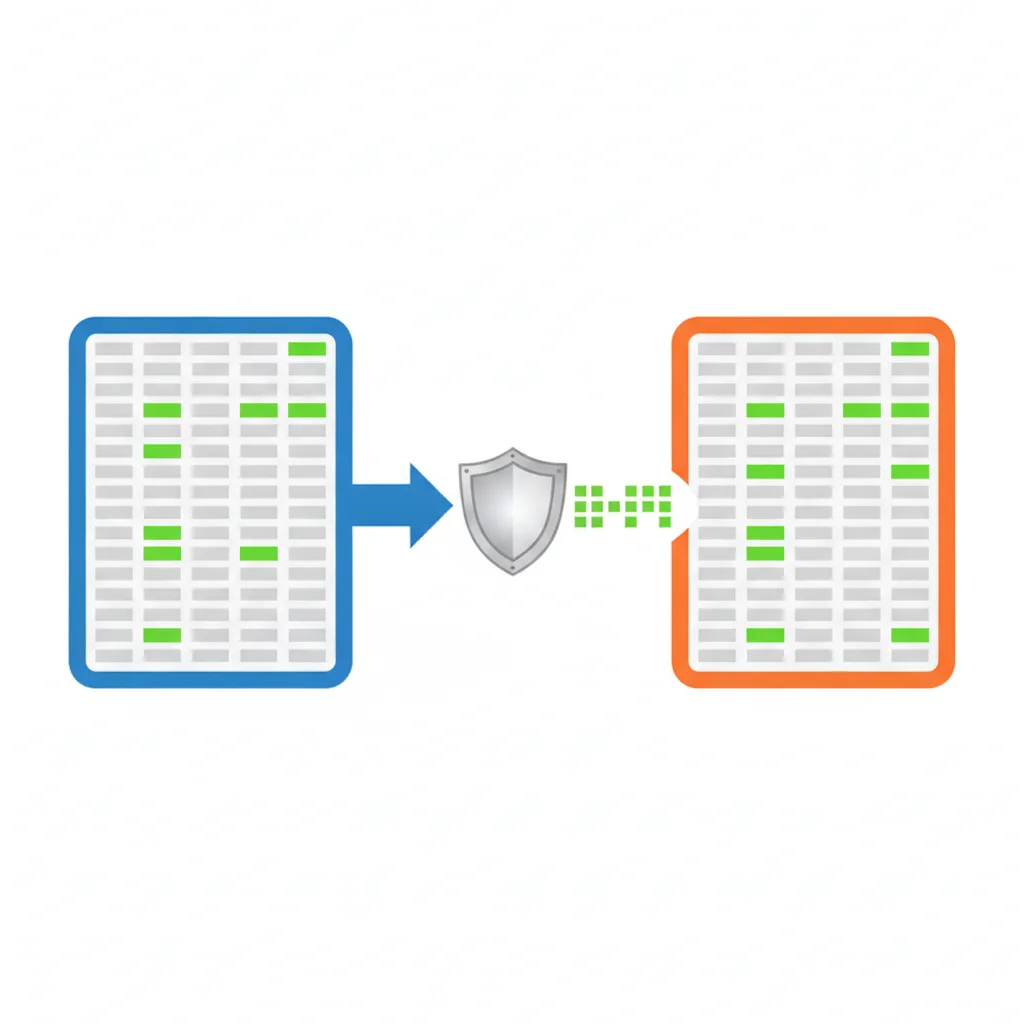
When integrating with payment gateways, SMS services, mapping tools, or marketing platforms, always verify exactly what personal data is being passed to those services. You might intend to share only a name and email, but a misconfiguration can quietly expose addresses and phone numbers too. Make it a habit to share the minimum data necessary in every API integration — and review the privacy policies of the third-party services you connect with.
9. Security Is Not a Feature You Add at the End
One of the most common mistakes is thinking: "Let's build the features first and worry about security later." But bolting security onto a finished system is as difficult and costly as trying to reinforce a building's foundation after construction is complete.
Security must be part of the design conversation from day one: "Who should be able to see this data?" and "Should this API be callable without authentication?" Getting it right early dramatically reduces the cost of fixing it later.
The ExaPeak Perspective: Building Features and Safety Together
At ExaPeak, we treat security and operational risk with the same priority as feature development — from the very start of every project. Where is data stored? Who can access it? What's the recovery plan when something goes wrong? We believe these questions belong in the earliest design discussions, not as an afterthought.
A great system is one that works well — but also one that can be trusted. Handling personal data responsibly isn't just about regulatory compliance; it's about honoring the trust your customers place in you.
If you have questions about designing or conducting a security review for a personal data system, feel free to reach out to ExaPeak at any time.